

Skip to content
logo
MENU
CLOSE
  • About
    • An Introduction to Westerfield
    • Our Values and Culture
    • University Partnerships
    • Term Dates
    • College Fees
    • Policies
  • Study Here
    • A Level
    • University Foundation Programme
    • Pre-Med Foundation
    • Summer Camp
    • Academic English for International Students
    • Apply Now
  • School Life
    • Our Campus
    • Accommodation
    • Galleries
    • Learning at Westerfield
    • College Life
    • Pastoral Care and Wellbeing
  • Contact Us
  • About
    • An Introduction to Westerfield
    • Our Values and Culture
    • University Partnerships
    • Term Dates
    • College Fees
    • Policies
  • Study Here
    • A Level
    • University Foundation Programme
    • Pre-Med Foundation
    • Summer Camp
    • Academic English for International Students
    • Apply Now
  • School Life
    • Our Campus
    • Accommodation
    • Galleries
    • Learning at Westerfield
    • College Life
    • Pastoral Care and Wellbeing
  • Contact Us
  • Scholarships
  • Fees
  • Apply Now
  • Policies
JFR
MENU
CLOSE
  • Arts Club
  • Gardening Angels
  • Arts Club
  • Gardening Angels
  • Facebook
  • Instagram
  • YouTube
  • Linkedin

Galleries

Sixth-Form College, Worcester
All Explore School
Frequently Asked Questions
When will facilities be ready for students and what upgrades are being made?

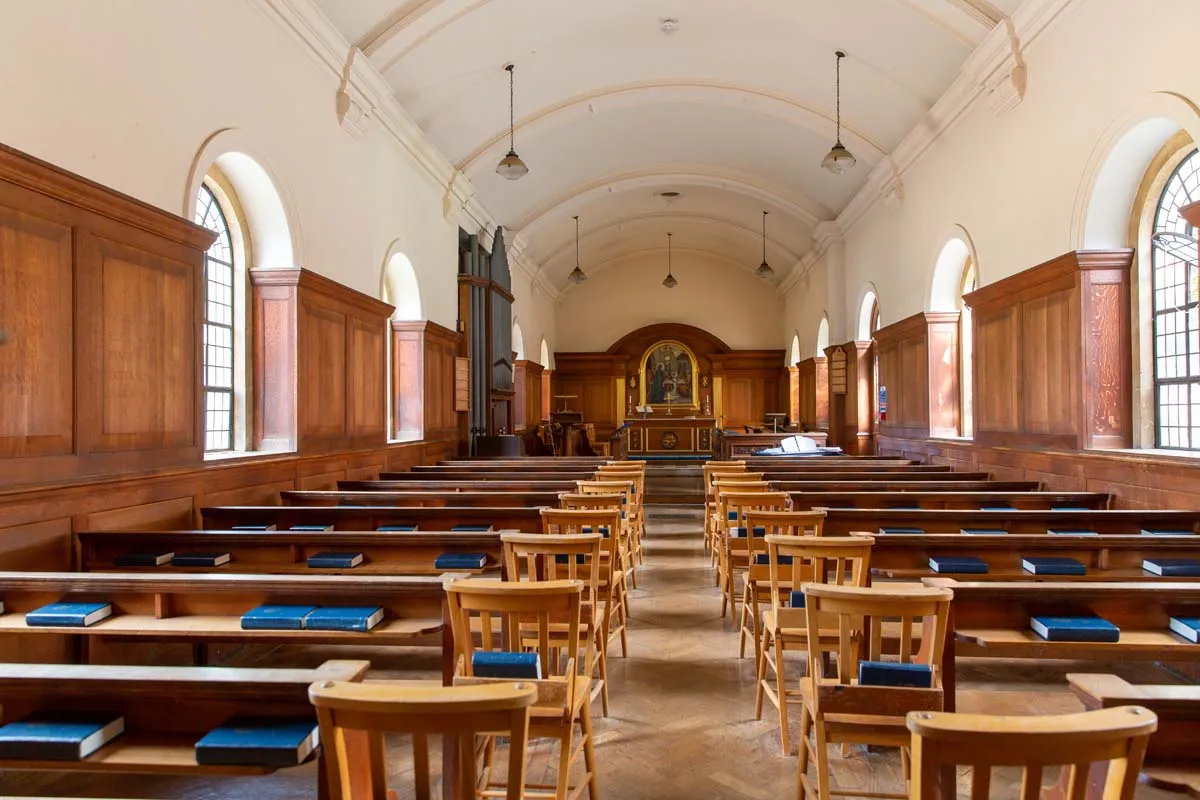
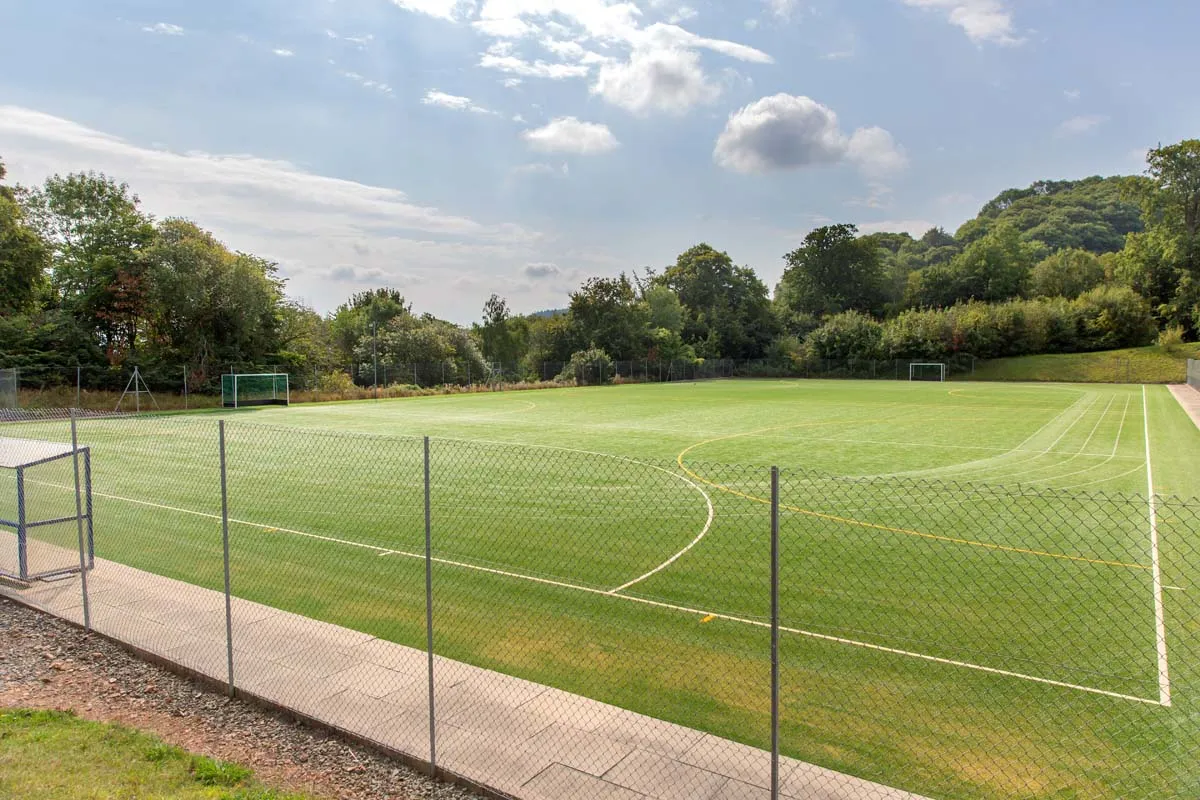
We’re very lucky to inherit a school which had extensive facilities already in place.

Most rooms will therefore retain their original function. However, we will be creating a dedicated boys’ dormitory in the Stable Block, which was previously used for teaching.

Some classrooms will be redeveloped into specialist subject areas, such as a moot court and an IT laboratory. Classrooms that remain in use will be upgraded with the latest educational technology, including smart boards, to ensure students benefit from a modern and high-quality learning environment.

All other areas, including accommodation bathrooms, will be fully refurbished to meet statutory health and safety requirements.

All refurbishment works will be completed by June 2026, in time for our Summer School.

How does the college attract and maintain high-quality teaching staff ?

Recruiting the right teachers is of paramount importance to us.

We will use specialist sector recruitment agencies, alongside our own expertise to identify staff who are not only academically qualified, but who also share our ethos of supporting students to reach their full potential.

Recruitment will be phased and prioritised to maintain high standards. Once appointed, staff performance and conduct will be monitored through robust leadership and governance structures.

How is the College governed, and who provides oversight?

A Board of Governors is currently being established.

Once finalised, details of its membership and roles will be published on our website.

The Board will comprise a balanced mix of independent and internal members.

Independent governors will provide external oversight and constructive challenge, while staff members with responsibility in key areas, such as safeguarding and academic standards, will ensure that recommendations are effectively implemented and informed by professional expertise.

Which Curriculum and qualifications does the college offer?

All qualifications we offer are based on well-established curricula with clearly defined learning outcomes.

Our A Level programmes are awarded by the Cambridge International Examination Board, and our Foundation Year programmes have been developed in partnership with our university partners, with clear and supported progression pathways.

How does the college support Student wellbeing and Personal development?

We place student wellbeing at the heart of everything we do.

Through strong pastoral support, high-quality teaching, and a nurturing boarding environment, we aim to ensure every student feels safe, supported, and valued.

Our staff work closely with students to monitor wellbeing, encourage personal development, and help each individual achieve their full potential.

How is the college designed for long-term sustainability and stability?

Many established independent schools have closed because they carry legacy cost structures and inflexible overheads.

Westerfield is being set up with a leaner, more sustainable operating model and strong planning around staffing and delivery.

In short: we’re not inheriting the same structural burdens that often sink other schools, and we’re building with sustainability and delivery readiness from day one.

How does the college keep students safe?

Safeguarding is audited and held accountable through multiple layers:

Governance: A Board (including safeguarding oversight) challenges decisions and reviews safeguarding practice.

Legal compliance: Safeguarding is not optional, the school must comply with statutory safeguarding requirements and guidance.

External inspection / standards frameworks: Safeguarding is scrutinised through external standards and inspection expectations (including any relevant accreditation frameworks where applicable).

Internal systems: Clear policies, reporting routes, record keeping, training, and safer recruitment create an auditable safeguarding trail.

What exactly exists today beyond plans, policies, and presentations?

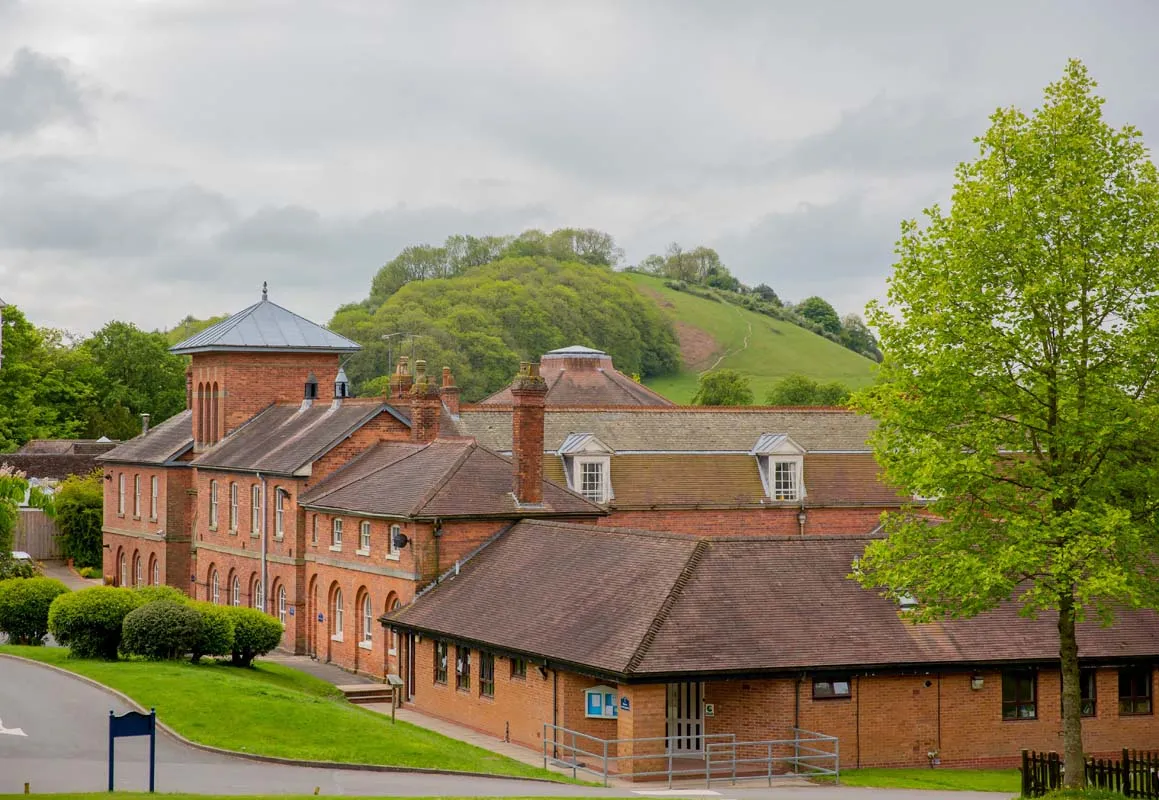
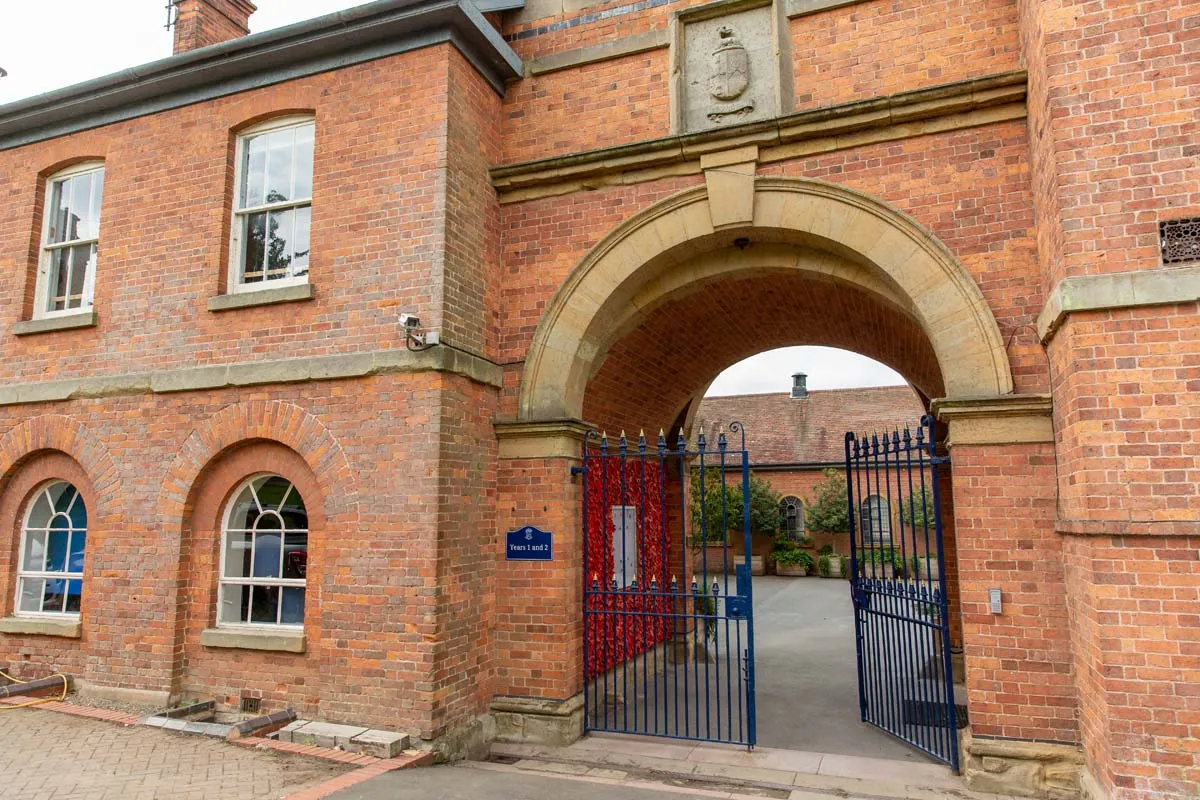
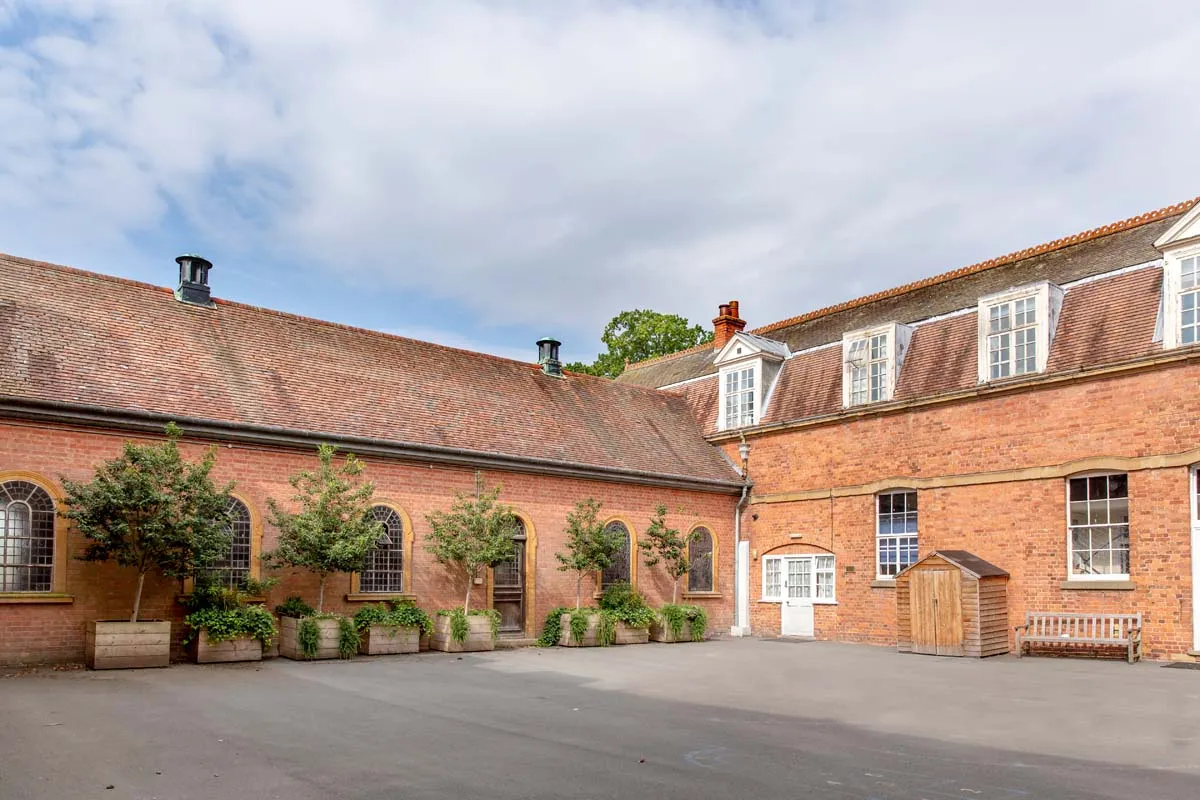
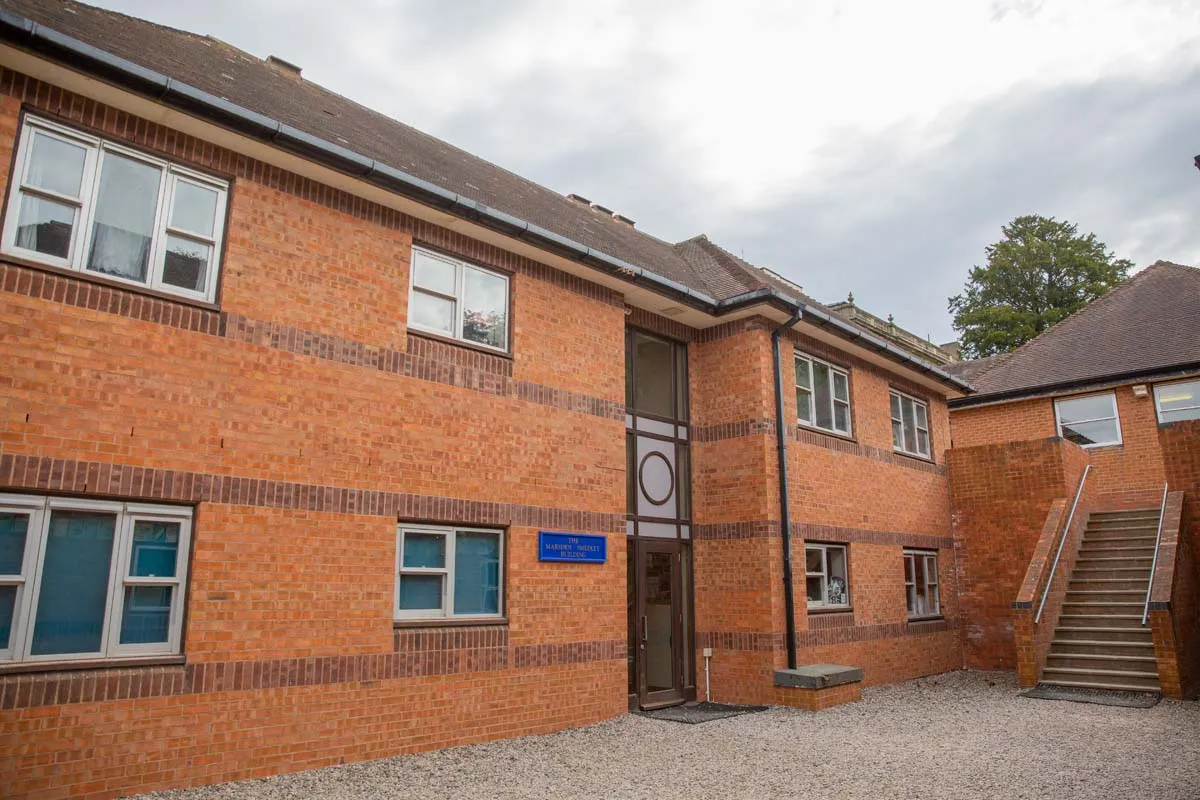
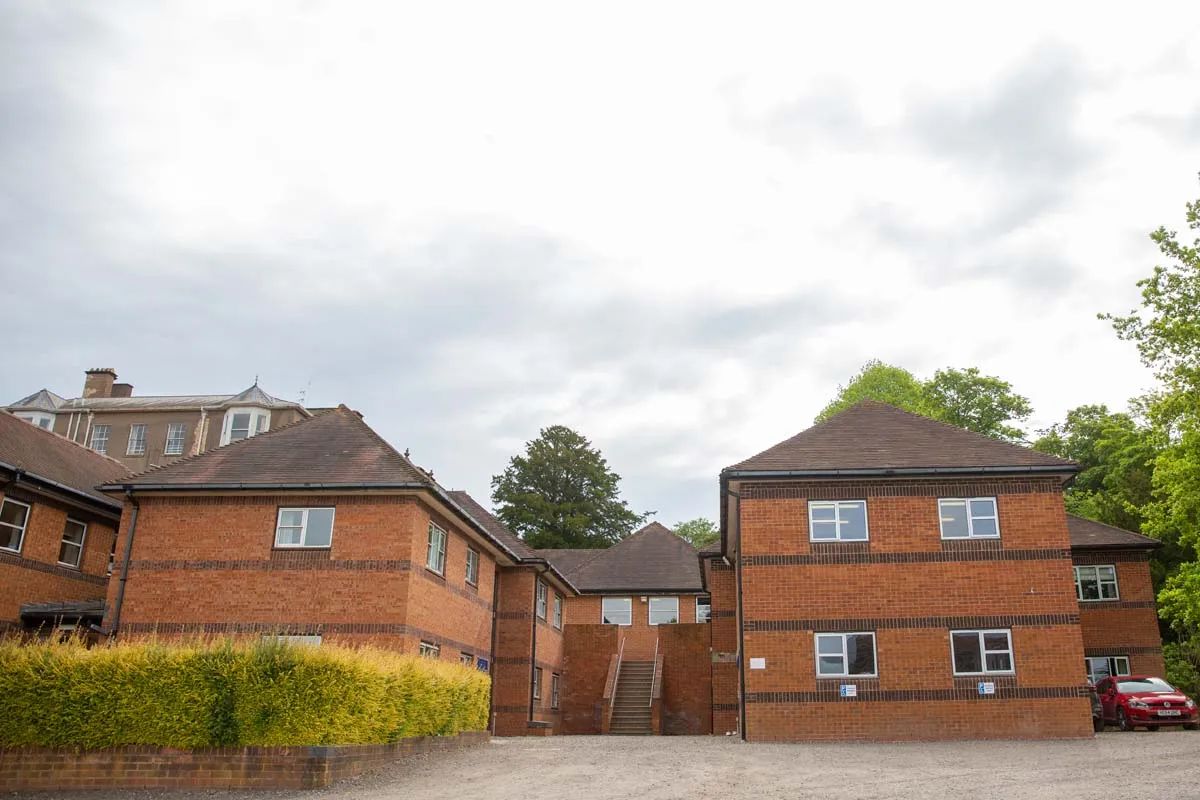
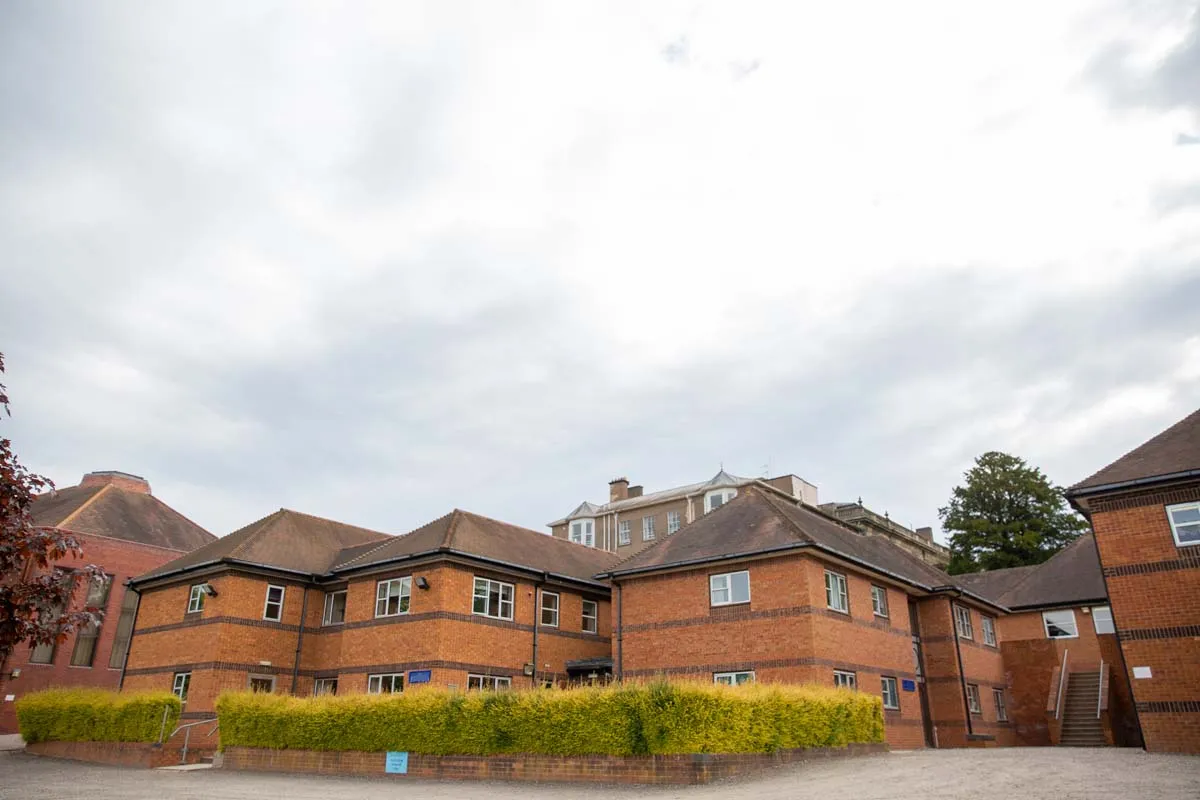
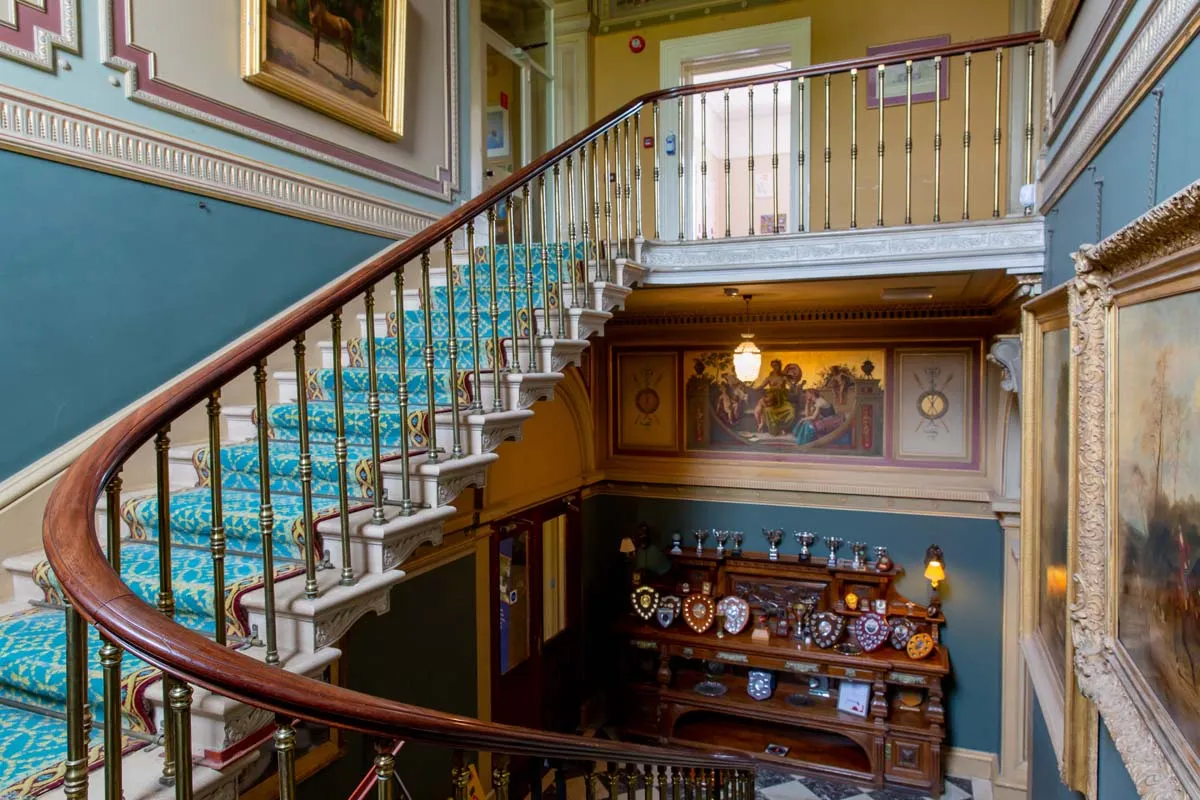
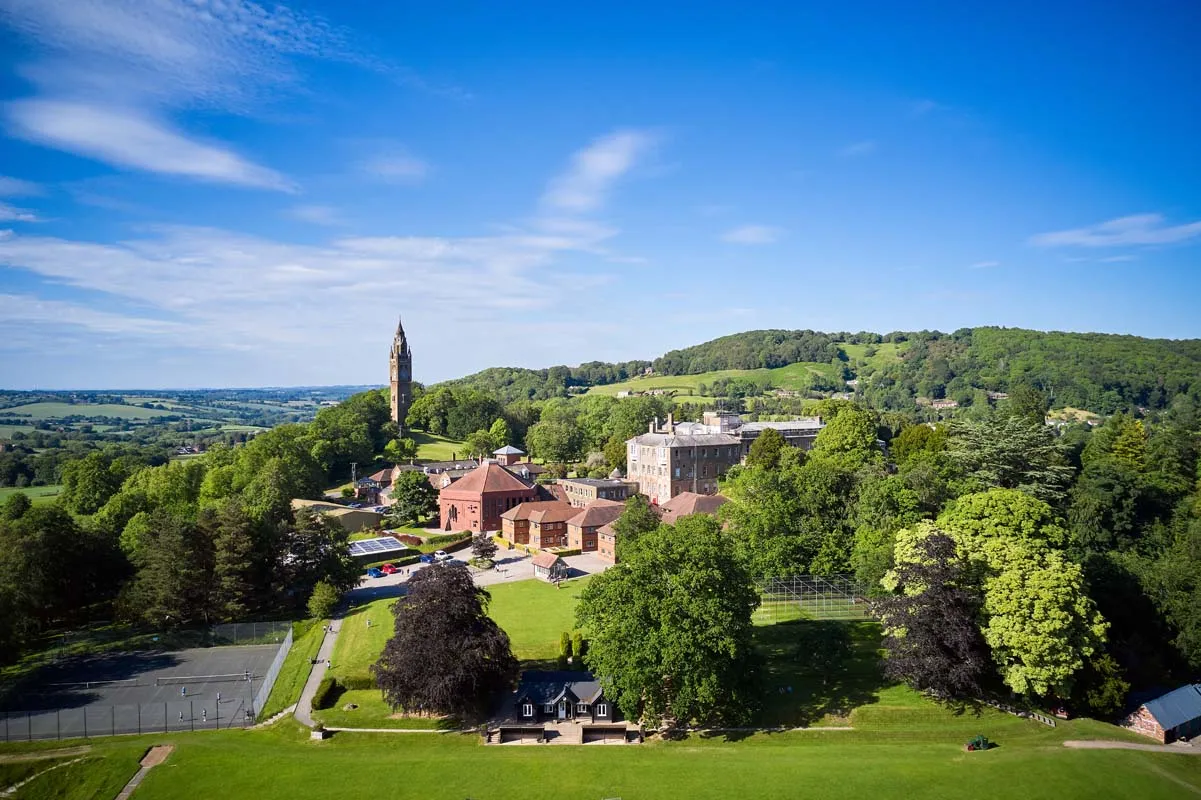
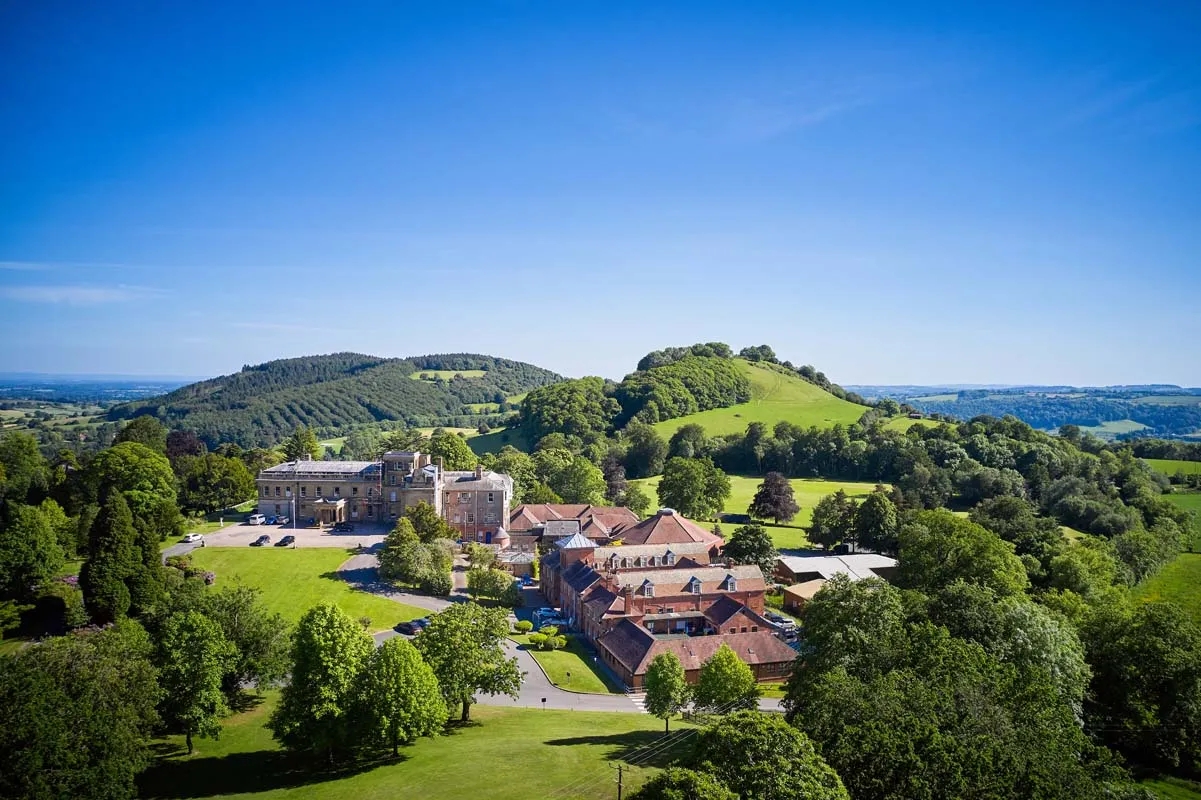
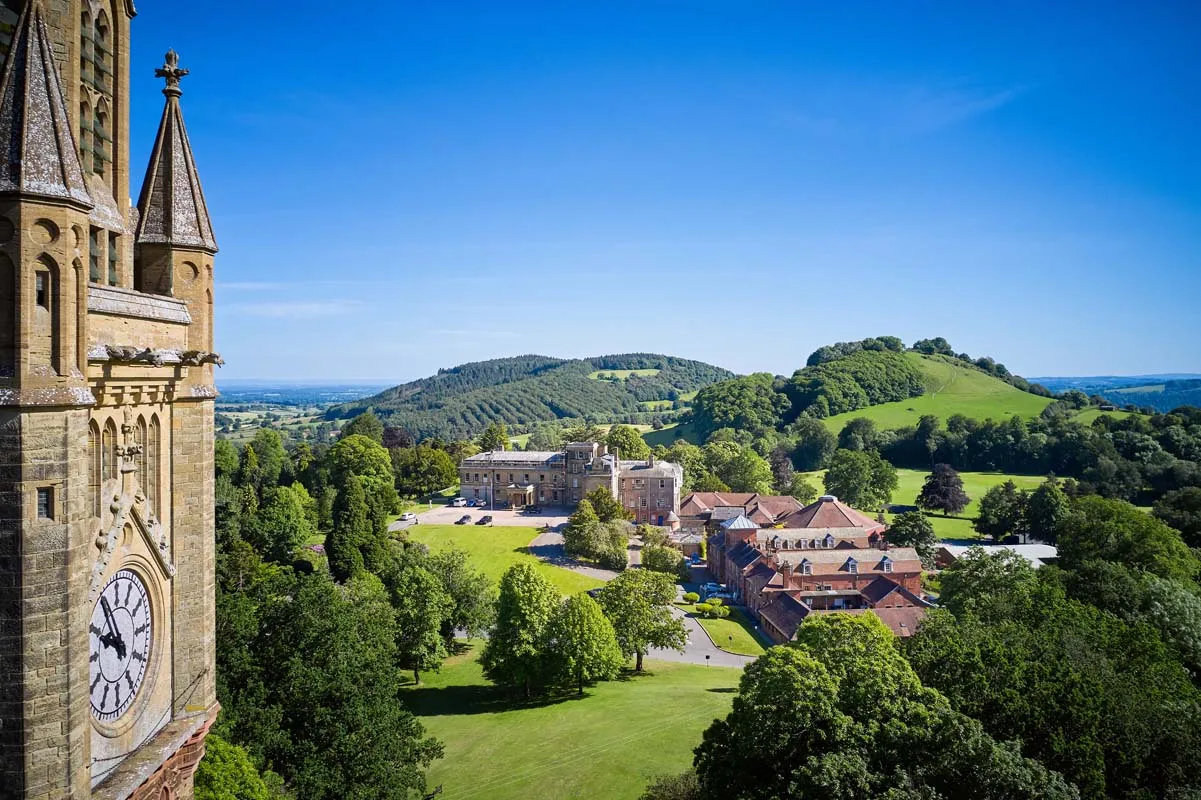
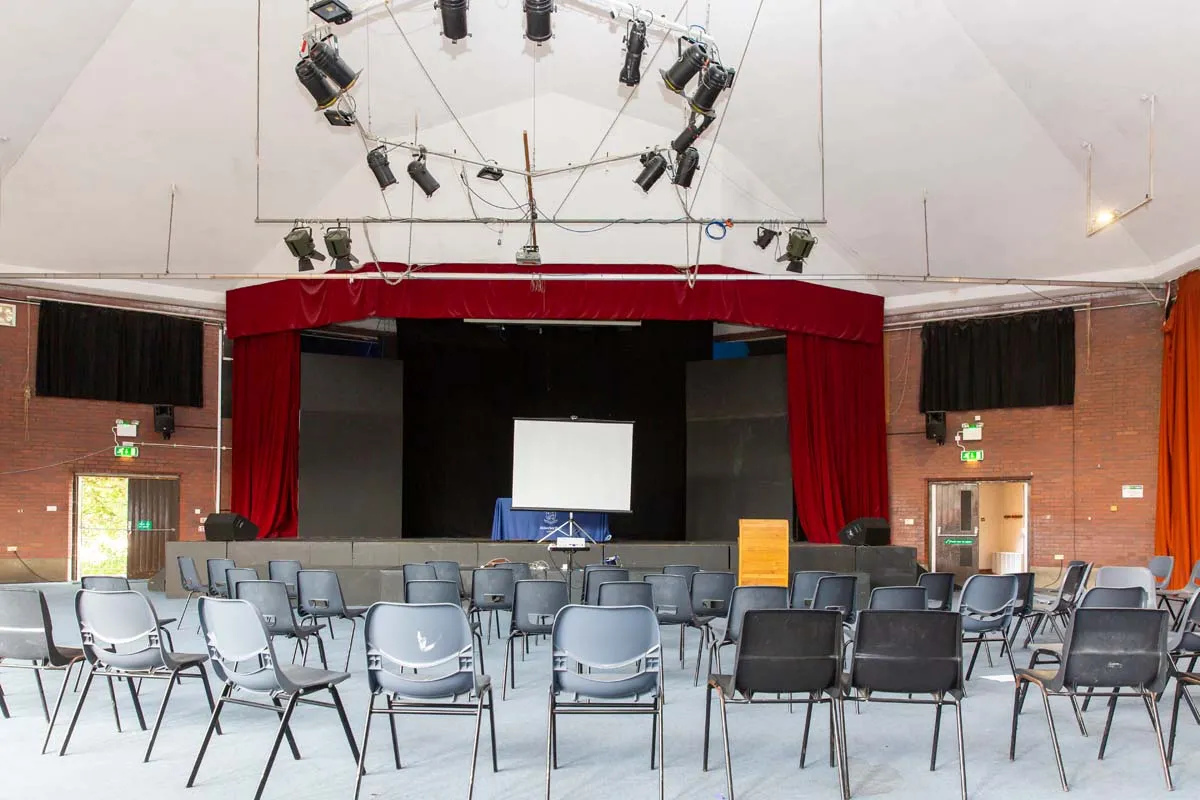
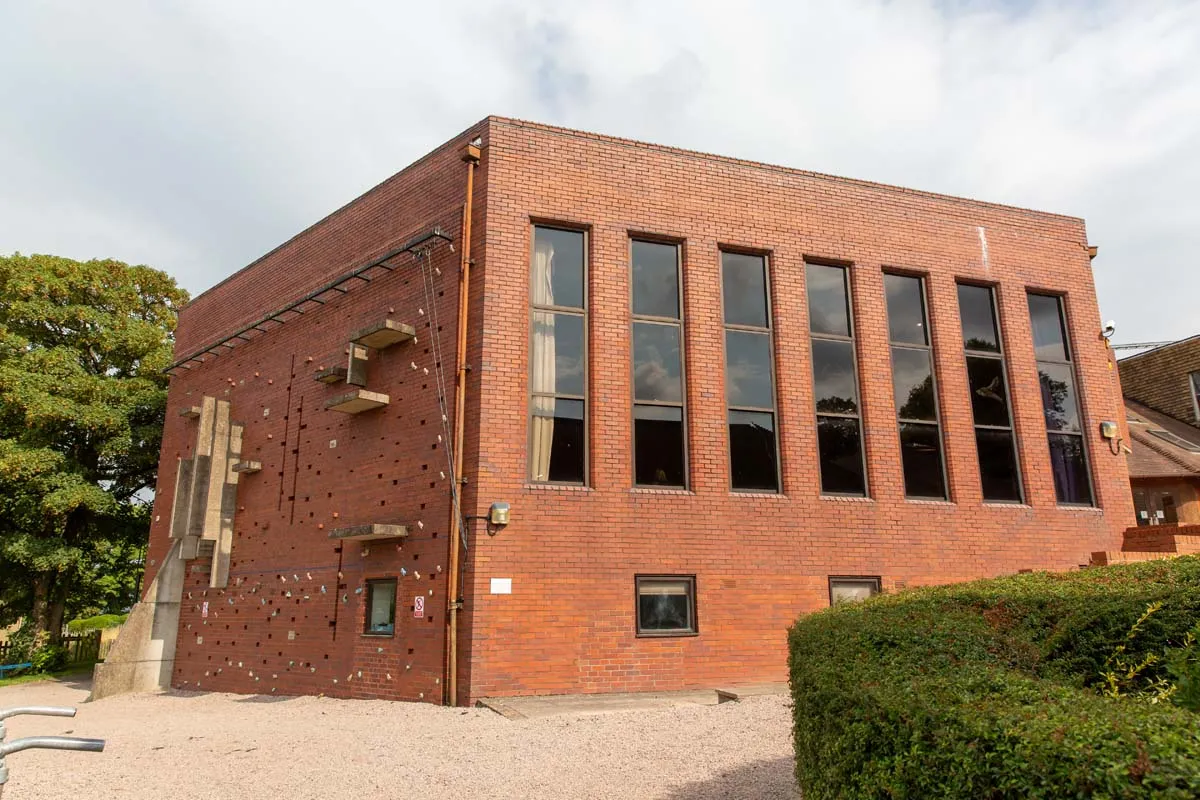
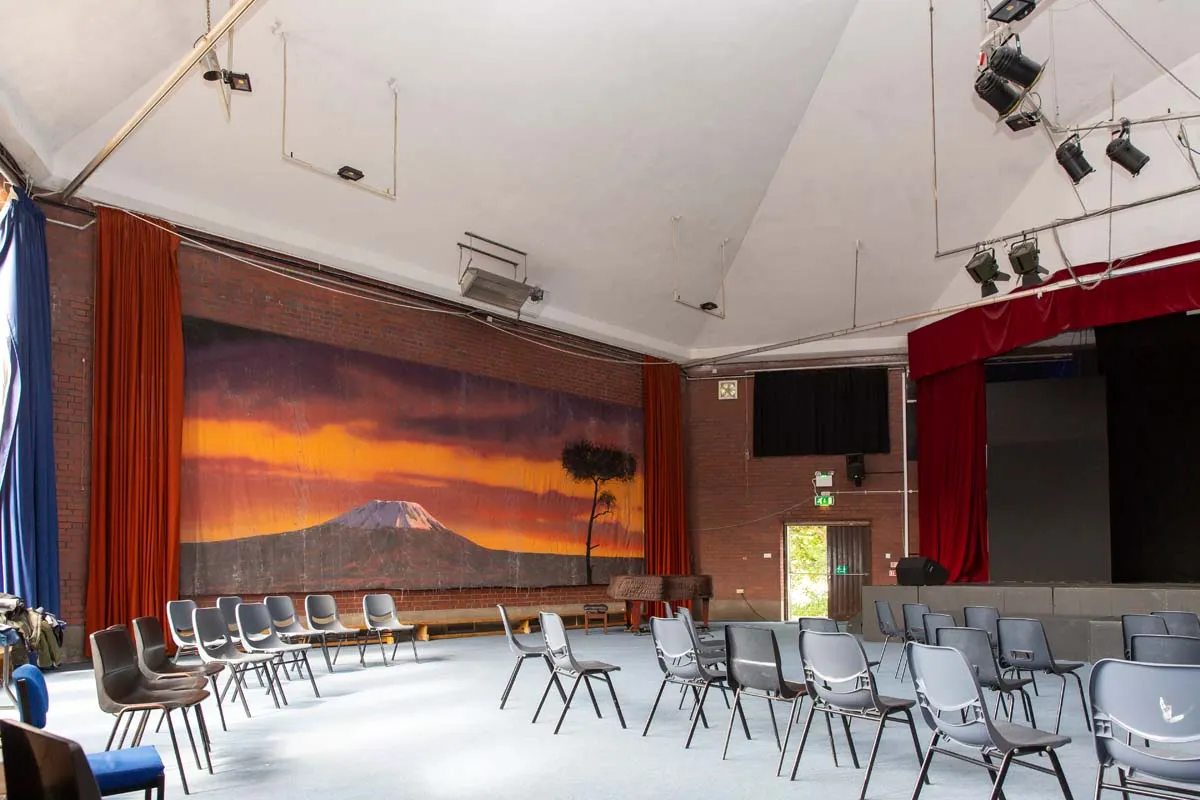
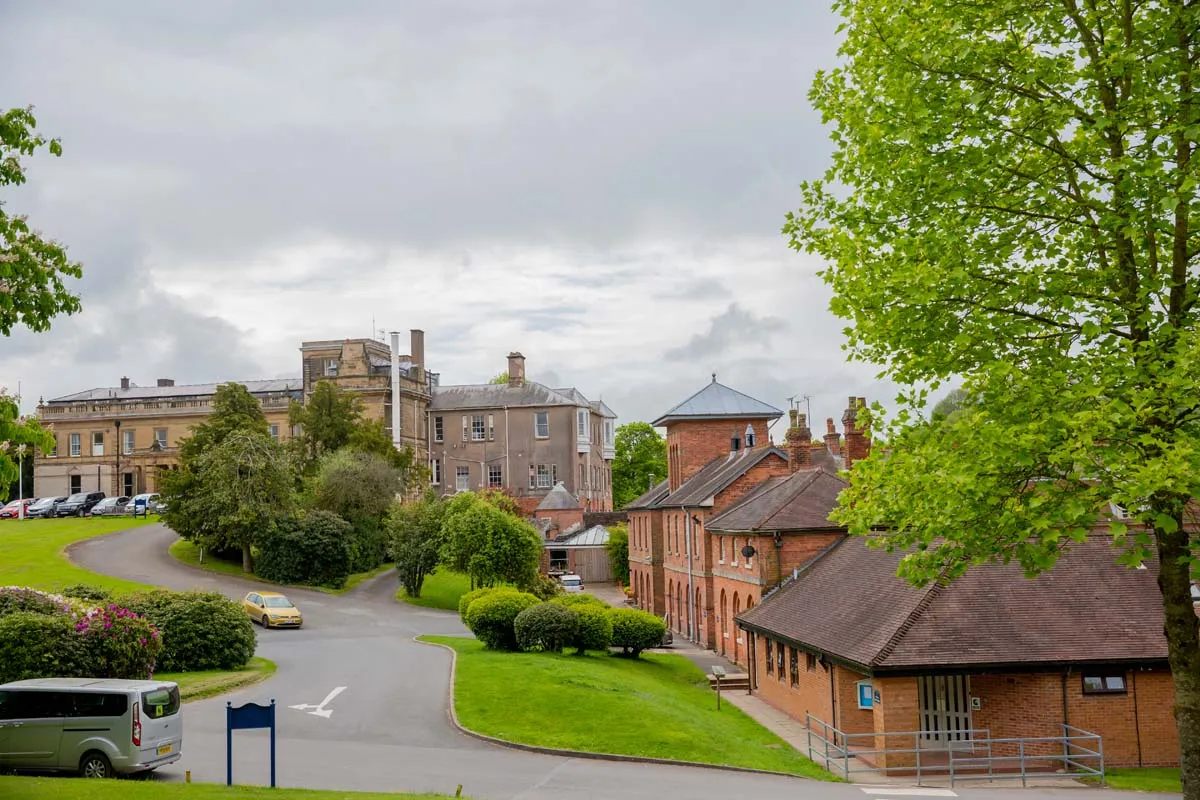
Westerfield College is not “only an idea”, it is a real school site (brick-and-mortar) undergoing refurbishment and fit-out. Beyond presentations, there are concrete elements already in place:

  • Policies: All required core policies to start safely are already written and held in a central policy file (currently around 32 policies). Policies are “living documents”, we can always add further policies as needed (e.g., specific welfare areas), but the essential baseline is complete and paid-for.
  • Operations: We are actively preparing the site, systems, and staffing plan — not starting from scratch.
  • Delivery proof-point: A large on-site summer programme is scheduled ahead of September launch, demonstrating readiness of the site and operations before full-time students arrive.
How do you ensure my child doesn’t pay the price for teething problems?

We plan around the three areas parents usually mean by “teething problems”,  facility readiness, staffing, and financial stability:

  1. Facility readiness: The campus is an established education site, not a brand-new build. Refurbishment work will be completed in time, and the school will be operational for a substantial summer programme beforehand, providing a real-world readiness test before September.
  2. Technology & installation risk: The technology being installed (e.g., interactive boards) is proven, widely used in schools, and being delivered by experienced suppliers — we are scaling what’s already standard, not experimenting with untested systems.
  3. Staffing quality: Recruitment will not be rushed. We will use specialist headhunting / sector recruitment and safe recruitment checks to prevent unsuitable or inexperienced appointments.
  4. Financial capacity: The school is funded to operate; we are not relying on goodwill or hope to keep the doors open
What gets cut first if finances are tight?

Our non-negotiables are academic delivery, safeguarding, and pastoral care. If financial pressure ever arose, we would protect those first.

Any reductions would come from non-essential or discretionary areas that do not affect teaching quality, supervision, safeguarding, or student wellbeing, for example:

  • phasing of non-critical enhancements
  • discretionary enrichment/extras (where appropriate)
  • non-essential expansion timing
  • operational efficiencies that do not touch student experience or safety

We would also communicate clearly with families if any changes affected delivery.

If my child has a solid place at a strong established sixth form, would you genuinely advise us to leave it for Westerfield?

It depends on why you’re considering a move — so we would answer this by asking one respectful question first:

“What prompted you to explore alternatives?”

  • If it’s academic fit: Westerfield supports clearer pathways, specialist facilities, and structured progression.
  • If it’s pastoral/boarding structure: We have a deliberately designed residential culture and strong student support.
  • If it’s value: At Westerfield, families receive for the fee level, strong value for outcomes and provision.

We would never advise a move purely for marketing reasons. We will only recommend it if Westerfield genuinely matches the student’s goals and needs better.

If my child loses a year because this doesn’t deliver, who is accountable?

We reduce that risk in practical, parent-protective ways:

  • Fees timing: Families would not be asked to pay full fees far in advance of starting.
  • Deposit protection: Any deposit required would be clearly set out, with refund terms (including protection if the school did not open).
  • Clear commitment points: We will provide families with clear milestone confirmations (well ahead of September) so no one is left in uncertainty near results season.
  • Contract clarity: Once a student has an unconditional confirmed place and fees are taken under agreed terms, the school has clear obligations.
Why should we believe assurances rather than wait for evidence?

We agree that parents should not rely on “trust me” statements. That’s why we point families to evidence you can see, such as:

  • a real operating site (not a hypothetical build)
  • visible progress on readiness
  • an operational summer programme before September
  • published policies and safeguarding systems
  • published partners / progression routes (where relevant)

Our approach is: “Don’t take our word for it, check what is in place and what you can verify.”

Why should we believe, you will succeed when new schools often don’t?

Many new schools fail because they carry legacy cost structures and inflexible overheads. Westerfield is being set up with a leaner, more sustainable operating model and strong planning around staffing and delivery.

In short: we’re not inheriting the same structural burdens that often sink new entrants, and we’re building with sustainability and delivery readiness from day one.

If there is no Board of Governors, who is providing independent oversight?

A Board of Governors is being formed and will be published (including roles), with a blend of independent and internal members.

Typical governance structure includes:

  • Independent governors bringing external oversight and challenge
  • Staff governors (e.g., Principal, operations lead) who are accountable to the full board
  • specialist input as needed (e.g., safeguarding, education leadership, finance, legal, estates)

Key point for parents: staff involvement is normal in governance; it works because staff are answerable to a wider board with independent challenge.

Is curriculum planning theoretical at this stage?

No. The curriculum model is not theoretical — it is based on established programmes and delivery structures.

  • For A Levels, progression is primarily results-led; students do not need “special university relationships” to apply successfully.
  • For foundation routes, we will evidence progression through published partner pathways and clear progression support.
Who independently audits safeguarding decisions?

Safeguarding is audited and held accountable through multiple layers:

  1. Governance: A Board (including safeguarding oversight) challenges decisions and reviews safeguarding practice.
  2. Legal compliance: Safeguarding is not optional — the school must comply with statutory safeguarding requirements and guidance.
  3. External inspection / standards frameworks: Safeguarding is scrutinised through external standards and inspection expectations (including any relevant accreditation frameworks where applicable).
  4. Internal systems: Clear policies, reporting routes, record keeping, training, and safer recruitment create an auditable safeguarding trail.
How will you prevent inexperienced or unsuitable staff being rushed in?

We prevent this by design:

  • Specialist recruitment / headhunting to target proven sector experience
  • Safer recruitment checks and structured selection processes
  • No “panic hires”: roles are phased and prioritised, with quality protected over speed
  • Clear accountability: staff performance and conduct are overseen through leadership and governance structures
Are we being asked to buy into future certainty when right now there’s none beyond visuals?

We understand the concern, but this is not a “concept only” school. The certainty is grounded in:

  • an existing operational site
  • real refurbishment/fit-out activity (not speculative construction)
  • operational delivery before September (summer programme)
  • transparent parent protections on payments and confirmations

We will always separate what is already in place from what is still being finalised, so families are never asked to rely on vague promises.

What evidence do we have beyond intention?

Evidence includes what can be verified:

  • site readiness milestones and delivery activity
  • policies and safeguarding systems already written and implemented
  • confirmed operational programmes before full opening
  • published governance arrangements and named oversight
  • published progression support and (where relevant) pathway relationships
What protections exist that don’t rely on trust or goodwill?

Protections include:

  • clear contractual terms (offers, deposits, refund conditions)
  • statutory safeguarding duties and regulatory expectations
  • governance oversight
  • external scrutiny via inspection/standards frameworks
  • documented procedures that create accountability beyond individuals
Why would we accept financial and academic exposure simultaneously?

We would not ask families to accept both.

  • Financial exposure is reduced through sensible payment timing and clear refund/contract protections.
  • Academic exposure is reduced through strong staffing decisions, safeguarding/pastoral systems, and clear delivery readiness backed by operational proof-points (including delivery before September).

If a family feels exposure remains too high for their situation, we would rather they choose the option that feels safest, we will not pressure families into risk.

If you have additional questions, please contact us.

What’s Next?

About Westerfield

Our Campus

Contact Us

logo

Useful links

  • College Policies
  • Privacy Statement
  • Cookie Policy (UK)
  • Terms and Conditions
  • College Policies
  • Privacy Statement
  • Cookie Policy (UK)
  • Terms and Conditions

Others

  • College Fees
  • Term Dates
  • Contact Us
  • Location
  • College Fees
  • Term Dates
  • Contact Us
  • Location

.

Westerfield College,
Abberley, Worcester,
WR6 6DD, UK.

Company No. 13732961
UKPRN: 10097277

[email protected]
01299584020

Facebook X-twitter Instagram Linkedin Snapchat
british
toefl
cambridge
  • About
    • An Introduction to Westerfield
    • Our Values and Culture
    • University Partnerships
    • Term Dates
    • College Fees
    • Policies
  • Study Here
    • A Level
    • University Foundation Programme
    • Pre-Med Foundation
    • Summer Camp
    • Academic English for International Students
    • Apply Now
  • School Life
    • Our Campus
    • Accommodation
    • Galleries
    • Learning at Westerfield
    • College Life
    • Pastoral Care and Wellbeing
  • Contact Us
Open Day
Open Day
Manage Consent
To provide the best experiences, we use technologies like cookies to store and/or access device information. Consenting to these technologies will allow us to process data such as browsing behaviour or unique IDs on this site. Not consenting or withdrawing consent, may adversely affect certain features and functions.
Functional Always active
The technical storage or access is strictly necessary for the legitimate purpose of enabling the use of a specific service explicitly requested by the subscriber or user, or for the sole purpose of carrying out the transmission of a communication over an electronic communications network.
Preferences
The technical storage or access is necessary for the legitimate purpose of storing preferences that are not requested by the subscriber or user.
Statistics
The technical storage or access that is used exclusively for statistical purposes. The technical storage or access that is used exclusively for anonymous statistical purposes. Without a subpoena, voluntary compliance on the part of your Internet Service Provider, or additional records from a third party, information stored or retrieved for this purpose alone cannot usually be used to identify you.
Marketing
The technical storage or access is required to create user profiles to send advertising, or to track the user on a website or across several websites for similar marketing purposes.
Manage options Manage services Manage {vendor_count} vendors Read more about these purposes
View preferences
{title} {title} {title}
Accessibility
Accessibility modes
Epilepsy Safe Mode
Dampens color and removes blinks
This mode enables people with epilepsy to use the website safely by eliminating the risk of seizures that result from flashing or blinking animations and risky color combinations.
Visually Impaired Mode
Improves website's visuals
This mode adjusts the website for the convenience of users with visual impairments such as Degrading Eyesight, Tunnel Vision, Cataract, Glaucoma, and others.
Cognitive Disability Mode
Helps to focus on specific content
This mode provides different assistive options to help users with cognitive impairments such as Dyslexia, Autism, CVA, and others, to focus on the essential elements of the website more easily.
ADHD Friendly Mode
Reduces distractions and improve focus
This mode helps users with ADHD and Neurodevelopmental disorders to read, browse, and focus on the main website elements more easily while significantly reducing distractions.
Blindness Mode
Allows using the site with your screen-reader
This mode configures the website to be compatible with screen-readers such as JAWS, NVDA, VoiceOver, and TalkBack. A screen-reader is software for blind users that is installed on a computer and smartphone, and websites must be compatible with it.
Online Dictionary
    Readable Experience
    Content Scaling
    Default
    Text Magnifier
    Readable Font
    Dyslexia Friendly
    Highlight Titles
    Highlight Links
    Font Sizing
    Default
    Line Height
    Default
    Letter Spacing
    Default
    Left Aligned
    Center Aligned
    Right Aligned
    Visually Pleasing Experience
    Dark Contrast
    Light Contrast
    Monochrome
    High Contrast
    High Saturation
    Low Saturation
    Adjust Text Colors
    Adjust Title Colors
    Adjust Background Colors
    Easy Orientation
    Mute Sounds
    Hide Images
    Hide Emoji
    Reading Guide
    Stop Animations
    Reading Mask
    Highlight Hover
    Highlight Focus
    Big Dark Cursor
    Big Light Cursor
    Cognitive Reading
    Virtual Keyboard
    Navigation Keys
    Voice Navigation

    Westerfield College UK

    Accessibility Statement

    • westerfieldcollege.uk
    • January 13, 2026

    Compliance status

    We firmly believe that the internet should be available and accessible to anyone, and are committed to providing a website that is accessible to the widest possible audience, regardless of circumstance and ability.

    To fulfill this, we aim to adhere as strictly as possible to the World Wide Web Consortium’s (W3C) Web Content Accessibility Guidelines 2.1 (WCAG 2.1) at the AA level. These guidelines explain how to make web content accessible to people with a wide array of disabilities. Complying with those guidelines helps us ensure that the website is accessible to all people: blind people, people with motor impairments, visual impairment, cognitive disabilities, and more.

    This website utilizes various technologies that are meant to make it as accessible as possible at all times. We utilize an accessibility interface that allows persons with specific disabilities to adjust the website’s UI (user interface) and design it to their personal needs.

    Additionally, the website utilizes an AI-based application that runs in the background and optimizes its accessibility level constantly. This application remediates the website’s HTML, adapts Its functionality and behavior for screen-readers used by the blind users, and for keyboard functions used by individuals with motor impairments.

    If you’ve found a malfunction or have ideas for improvement, we’ll be happy to hear from you. You can reach out to the website’s operators by using the following email [email protected]
    Screen-reader and keyboard navigation

    Our website implements the ARIA attributes (Accessible Rich Internet Applications) technique, alongside various different behavioral changes, to ensure blind users visiting with screen-readers are able to read, comprehend, and enjoy the website’s functions. As soon as a user with a screen-reader enters your site, they immediately receive a prompt to enter the Screen-Reader Profile so they can browse and operate your site effectively. Here’s how our website covers some of the most important screen-reader requirements, alongside console screenshots of code examples:

    1. Screen-reader optimization: we run a background process that learns the website’s components from top to bottom, to ensure ongoing compliance even when updating the website. In this process, we provide screen-readers with meaningful data using the ARIA set of attributes. For example, we provide accurate form labels; descriptions for actionable icons (social media icons, search icons, cart icons, etc.); validation guidance for form inputs; element roles such as buttons, menus, modal dialogues (popups), and others. Additionally, the background process scans all the website’s images and provides an accurate and meaningful image-object-recognition-based description as an ALT (alternate text) tag for images that are not described. It will also extract texts that are embedded within the image, using an OCR (optical character recognition) technology. To turn on screen-reader adjustments at any time, users need only to press the Alt+1 keyboard combination. Screen-reader users also get automatic announcements to turn the Screen-reader mode on as soon as they enter the website.

      These adjustments are compatible with all popular screen readers, including JAWS and NVDA.

    2. Keyboard navigation optimization: The background process also adjusts the website’s HTML, and adds various behaviors using JavaScript code to make the website operable by the keyboard. This includes the ability to navigate the website using the Tab and Shift+Tab keys, operate dropdowns with the arrow keys, close them with Esc, trigger buttons and links using the Enter key, navigate between radio and checkbox elements using the arrow keys, and fill them in with the Spacebar or Enter key.Additionally, keyboard users will find quick-navigation and content-skip menus, available at any time by clicking Alt+1, or as the first elements of the site while navigating with the keyboard. The background process also handles triggered popups by moving the keyboard focus towards them as soon as they appear, and not allow the focus drift outside it.

      Users can also use shortcuts such as “M” (menus), “H” (headings), “F” (forms), “B” (buttons), and “G” (graphics) to jump to specific elements.

    Disability profiles supported in our website

    • Epilepsy Safe Mode: this profile enables people with epilepsy to use the website safely by eliminating the risk of seizures that result from flashing or blinking animations and risky color combinations.
    • Visually Impaired Mode: this mode adjusts the website for the convenience of users with visual impairments such as Degrading Eyesight, Tunnel Vision, Cataract, Glaucoma, and others.
    • Cognitive Disability Mode: this mode provides different assistive options to help users with cognitive impairments such as Dyslexia, Autism, CVA, and others, to focus on the essential elements of the website more easily.
    • ADHD Friendly Mode: this mode helps users with ADHD and Neurodevelopmental disorders to read, browse, and focus on the main website elements more easily while significantly reducing distractions.
    • Blindness Mode: this mode configures the website to be compatible with screen-readers such as JAWS, NVDA, VoiceOver, and TalkBack. A screen-reader is software for blind users that is installed on a computer and smartphone, and websites must be compatible with it.
    • Keyboard Navigation Profile (Motor-Impaired): this profile enables motor-impaired persons to operate the website using the keyboard Tab, Shift+Tab, and the Enter keys. Users can also use shortcuts such as “M” (menus), “H” (headings), “F” (forms), “B” (buttons), and “G” (graphics) to jump to specific elements.

    Additional UI, design, and readability adjustments

    1. Font adjustments – users, can increase and decrease its size, change its family (type), adjust the spacing, alignment, line height, and more.
    2. Color adjustments – users can select various color contrast profiles such as light, dark, inverted, and monochrome. Additionally, users can swap color schemes of titles, texts, and backgrounds, with over seven different coloring options.
    3. Animations – person with epilepsy can stop all running animations with the click of a button. Animations controlled by the interface include videos, GIFs, and CSS flashing transitions.
    4. Content highlighting – users can choose to emphasize important elements such as links and titles. They can also choose to highlight focused or hovered elements only.
    5. Audio muting – users with hearing devices may experience headaches or other issues due to automatic audio playing. This option lets users mute the entire website instantly.
    6. Cognitive disorders – we utilize a search engine that is linked to Wikipedia and Wiktionary, allowing people with cognitive disorders to decipher meanings of phrases, initials, slang, and others.
    7. Additional functions – we provide users the option to change cursor color and size, use a printing mode, enable a virtual keyboard, and many other functions.

    Browser and assistive technology compatibility

    We aim to support the widest array of browsers and assistive technologies as possible, so our users can choose the best fitting tools for them, with as few limitations as possible. Therefore, we have worked very hard to be able to support all major systems that comprise over 95% of the user market share including Google Chrome, Mozilla Firefox, Apple Safari, Opera and Microsoft Edge, JAWS and NVDA (screen readers).

    Notes, comments, and feedback

    Despite our very best efforts to allow anybody to adjust the website to their needs. There may still be pages or sections that are not fully accessible, are in the process of becoming accessible, or are lacking an adequate technological solution to make them accessible. Still, we are continually improving our accessibility, adding, updating and improving its options and features, and developing and adopting new technologies. All this is meant to reach the optimal level of accessibility, following technological advancements. For any assistance, please reach out to [email protected]